Guides
Every section we cover, with the explainers that go with it.
Archery tag
Guide
-
 Archery tag in wet weather: rain policies to ask about
How Singapore's PUB lightning advisory and monsoon seasons affect archery tag bookings, and the rain-policy questions to ask any operator before you commit.
Archery tag in wet weather: rain policies to ask about
How Singapore's PUB lightning advisory and monsoon seasons affect archery tag bookings, and the rain-policy questions to ask any operator before you commit.
-
 Archery tag vs laser tag vs nerf: which suits your group
Compare archery tag, laser tag, and Nerf wars in Singapore by hit feedback, sting level, scoring, and arena environment to choose the right combat game.
Archery tag vs laser tag vs nerf: which suits your group
Compare archery tag, laser tag, and Nerf wars in Singapore by hit feedback, sting level, scoring, and arena environment to choose the right combat game.
-
 Game modes explained (elimination, capture the flag, medic, VIP)
How elimination, capture the flag, medic, and VIP archery tag modes work in Singapore sessions, and what changes for groups of 10, 30, or more.
Game modes explained (elimination, capture the flag, medic, VIP)
How elimination, capture the flag, medic, and VIP archery tag modes work in Singapore sessions, and what changes for groups of 10, 30, or more.
-
 Indoor or outdoor archery tag venues: what changes
How indoor fixed-arena and outdoor mobile archery tag setups in Singapore differ in weather reliability, terrain, climate control, and what the PUB lightning advisory means for outdoor play.
Indoor or outdoor archery tag venues: what changes
How indoor fixed-arena and outdoor mobile archery tag setups in Singapore differ in weather reliability, terrain, climate control, and what the PUB lightning advisory means for outdoor play.
-
 Is archery tag safe? Gear, rules and common injuries
Archery tag safety in Singapore: the protective gear, the rules that reduce injury, the common risks operators report, and how heat and lightning affect outdoor play.
Is archery tag safe? Gear, rules and common injuries
Archery tag safety in Singapore: the protective gear, the rules that reduce injury, the common risks operators report, and how heat and lightning affect outdoor play.
-
 Minimum age and height for archery tag
The real minimum age and height for archery tag in Singapore: why the stated age 6 can mislead, and how draw strength, arm span, and insurance shape the true requirement.
Minimum age and height for archery tag
The real minimum age and height for archery tag in Singapore: why the stated age 6 can mislead, and how draw strength, arm span, and insurance shape the true requirement.
-
 Planning archery tag for 10, 30 and 100+ people
How archery tag sessions in Singapore scale for 10, 30, or 100+ people: rotation formats, wait times, facilitator ratios, and what changes for corporate events and parties.
Planning archery tag for 10, 30 and 100+ people
How archery tag sessions in Singapore scale for 10, 30, or 100+ people: rotation formats, wait times, facilitator ratios, and what changes for corporate events and parties.
-
 Questions to ask a provider before booking
A checklist of questions to ask an archery tag provider in Singapore about safety, logistics, group size, wet-weather policy, and what the quoted price covers.
Questions to ask a provider before booking
A checklist of questions to ask an archery tag provider in Singapore about safety, logistics, group size, wet-weather policy, and what the quoted price covers.
-
 What affects archery tag pricing
The factors that drive archery tag pricing in Singapore—headcount, session length, facilitator ratio, peak timing, and venue model—explained without prices.
What affects archery tag pricing
The factors that drive archery tag pricing in Singapore—headcount, session length, facilitator ratio, peak timing, and venue model—explained without prices.
-
 What archery tag is and how a typical session runs
The full arc of an archery tag session in Singapore: safety briefing, gear-up, game formats, and what the claimed session duration means for active play time.
What archery tag is and how a typical session runs
The full arc of an archery tag session in Singapore: safety briefing, gear-up, game formats, and what the claimed session duration means for active play time.
-
 What to wear and bring
Clothing, footwear, and gear recommendations for archery tag in Singapore's heat and humidity, including what operators provide and what you bring yourself.
What to wear and bring
Clothing, footwear, and gear recommendations for archery tag in Singapore's heat and humidity, including what operators provide and what you bring yourself.
Bubble soccer and inflatable games
Guide
-
 Age suitability and kid-sized bubbles
Bubble soccer operators in Singapore often claim a minimum age of 7, but kid-sized bubbles are not universal and many young children lack the body mass to control a standard zorb suit safely.
Age suitability and kid-sized bubbles
Bubble soccer operators in Singapore often claim a minimum age of 7, but kid-sized bubbles are not universal and many young children lack the body mass to control a standard zorb suit safely.
-
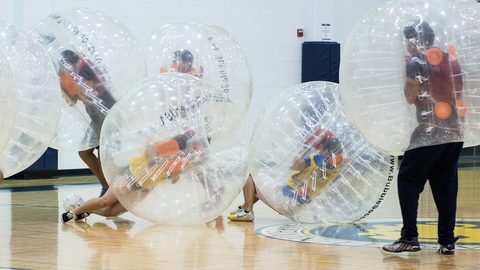 Bubble soccer safety: neck, height and weight limits
Bubble soccer safety in Singapore covers neck protection in the zorb harness, height and weight limits, and the lower-limb injury risks the suit does not prevent.
Bubble soccer safety: neck, height and weight limits
Bubble soccer safety in Singapore covers neck protection in the zorb harness, height and weight limits, and the lower-limb injury risks the suit does not prevent.
-
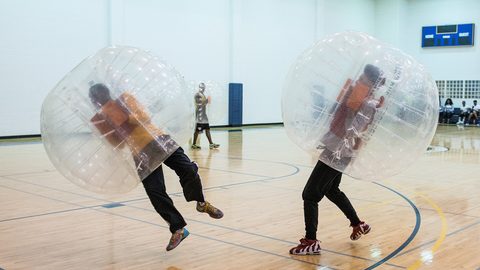 Bubble soccer vs knockerball vs zorb
Bubble soccer and knockerball are the same inflatable bump activity under different brand names in Singapore. Zorb is a separate full-body rolling sphere.
Bubble soccer vs knockerball vs zorb
Bubble soccer and knockerball are the same inflatable bump activity under different brand names in Singapore. Zorb is a separate full-body rolling sphere.
-
 Combining bubble soccer with other stations
Combining bubble soccer with other activity stations in Singapore requires careful rotation planning, as suiting-up time and space demands make it a slower station than archery tag or Nerf.
Combining bubble soccer with other stations
Combining bubble soccer with other activity stations in Singapore requires careful rotation planning, as suiting-up time and space demands make it a slower station than archery tag or Nerf.
-
 Game formats beyond football
Bubble soccer in Singapore goes beyond football: last-man-standing, sumo ring-outs, relay races, and team deathmatch. Each format changes pitch size, round duration, and objective.
Game formats beyond football
Bubble soccer in Singapore goes beyond football: last-man-standing, sumo ring-outs, relay races, and team deathmatch. Each format changes pitch size, round duration, and objective.
-
 Hydration and heat management in Singapore's climate
Bubble soccer in Singapore's heat and humidity risks heat exhaustion inside the insulating zorb suit. Hydration breaks, indoor venues, and shorter active play periods reduce the danger.
Hydration and heat management in Singapore's climate
Bubble soccer in Singapore's heat and humidity risks heat exhaustion inside the insulating zorb suit. Hydration breaks, indoor venues, and shorter active play periods reduce the danger.
-
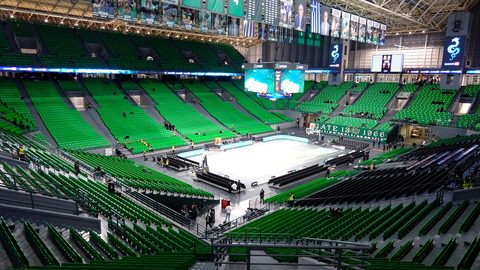 Indoor halls vs outdoor fields: surfaces and heat
Indoor sports halls beat outdoor fields for bubble soccer in Singapore: no lightning stops, lower heat risk, and safer surfaces. Most indoor halls are ventilated, not air-conditioned.
Indoor halls vs outdoor fields: surfaces and heat
Indoor sports halls beat outdoor fields for bubble soccer in Singapore: no lightning stops, lower heat risk, and safer surfaces. Most indoor halls are ventilated, not air-conditioned.
-
 Planning for mixed-fitness groups
Planning bubble soccer for a mixed-fitness group in Singapore: how rotation formats, low-contact game modes, and rest intervals keep reluctant participants engaged.
Planning for mixed-fitness groups
Planning bubble soccer for a mixed-fitness group in Singapore: how rotation formats, low-contact game modes, and rest intervals keep reluctant participants engaged.
-
 Price drivers (bubbles per session, venue, facilitators)
Bubble soccer pricing in Singapore is driven by group size, venue choice, facilitator numbers, and session length, with mobile operators and indoor venues each affecting the cost differently.
Price drivers (bubbles per session, venue, facilitators)
Bubble soccer pricing in Singapore is driven by group size, venue choice, facilitator numbers, and session length, with mobile operators and indoor venues each affecting the cost differently.
-
 What bubble soccer is and who it suits
Bubble soccer in Singapore suits ages 7 and up with moderate to high fitness. Learn the real age, height, and weight limits and which groups should choose a different activity.
What bubble soccer is and who it suits
Bubble soccer in Singapore suits ages 7 and up with moderate to high fitness. Learn the real age, height, and weight limits and which groups should choose a different activity.
Escape rooms and puzzle games
Guide
-
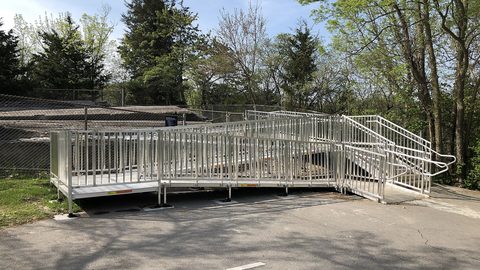 Accessibility and claustrophobia considerations
What to check for escape room accessibility in Singapore, from wheelchair step-free access to claustrophobia panic buttons and sensory sensitivity warnings.
Accessibility and claustrophobia considerations
What to check for escape room accessibility in Singapore, from wheelchair step-free access to claustrophobia panic buttons and sensory sensitivity warnings.
-
 Best team size per room and splitting large groups
How many people actually fit in a Singapore escape room without idle participants, and how operators rotate groups larger than a single room's capacity.
Best team size per room and splitting large groups
How many people actually fit in a Singapore escape room without idle participants, and how operators rotate groups larger than a single room's capacity.
-
 Choosing difficulty and theme for first-timers
How first-timers in Singapore can choose an escape room theme and difficulty level that matches their group, with what operator difficulty ratings actually mean.
Choosing difficulty and theme for first-timers
How first-timers in Singapore can choose an escape room theme and difficulty level that matches their group, with what operator difficulty ratings actually mean.
-
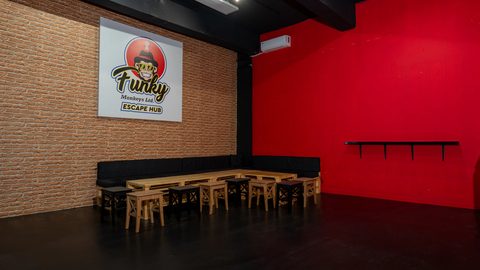 Escape rooms for corporate team building: what they reveal
What escape rooms reveal about team dynamics in Singapore corporate sessions, and how a facilitated debrief extracts workplace lessons from the game.
Escape rooms for corporate team building: what they reveal
What escape rooms reveal about team dynamics in Singapore corporate sessions, and how a facilitated debrief extracts workplace lessons from the game.
-
 History-themed and location-based escape games (e.g. WWII-themed pop-ups)
How history-themed and location-based escape games in Singapore use WWII narratives and real heritage sites, and how they differ from standard locked rooms.
History-themed and location-based escape games (e.g. WWII-themed pop-ups)
How history-themed and location-based escape games in Singapore use WWII narratives and real heritage sites, and how they differ from standard locked rooms.
-
 Horror vs non-horror rooms: age and comfort
How horror escape rooms in Singapore compare to non-horror rooms for age suitability and participant comfort, from live actors to early-exit policies.
Horror vs non-horror rooms: age and comfort
How horror escape rooms in Singapore compare to non-horror rooms for age suitability and participant comfort, from live actors to early-exit policies.
-
 How escape rooms work and how long they take
From waiver to debrief: how a Singapore escape room session runs, why a 60-minute room means 60 minutes of puzzle time, and the no-replay rule.
How escape rooms work and how long they take
From waiver to debrief: how a Singapore escape room session runs, why a 60-minute room means 60 minutes of puzzle time, and the no-replay rule.
-
 Online, outdoor and hybrid puzzle hunts
How online, outdoor and hybrid puzzle hunts work for group events in Singapore, from video-conference facilitation to geolocation clues and weather contingencies.
Online, outdoor and hybrid puzzle hunts
How online, outdoor and hybrid puzzle hunts work for group events in Singapore, from video-conference facilitation to geolocation clues and weather contingencies.
-
 Price drivers (per head vs per room, peak slots)
How escape rooms in Singapore charge: per-head versus per-room pricing, why peak slots cost more, and what a private-session guarantee adds to the bill.
Price drivers (per head vs per room, peak slots)
How escape rooms in Singapore charge: per-head versus per-room pricing, why peak slots cost more, and what a private-session guarantee adds to the bill.
-
 Tips to escape faster
Strategies to escape faster in a Singapore escape room without brute forcing props, from search patterns and communication protocols to strategic hint use.
Tips to escape faster
Strategies to escape faster in a Singapore escape room without brute forcing props, from search patterns and communication protocols to strategic hint use.
Kids' birthday party activities
Guide
-
 Active party formats compared (tag games, inflatables, nerf)
Compare active kids' party formats in Singapore—Nerf, laser tag, archery tag, bubble soccer—on sting level, downtime, equipment hygiene, and party-room practicality.
Active party formats compared (tag games, inflatables, nerf)
Compare active kids' party formats in Singapore—Nerf, laser tag, archery tag, bubble soccer—on sting level, downtime, equipment hygiene, and party-room practicality.
-
 Allergies, first aid and waivers
Manage allergies, first-aid readiness, and liability waivers for kids' party activities in Singapore, including medical disclosure obligations and operator versus host responsibilities.
Allergies, first aid and waivers
Manage allergies, first-aid readiness, and liability waivers for kids' party activities in Singapore, including medical disclosure obligations and operator versus host responsibilities.
-
 Home, condo function room, park or venue: pros and cons
Compare home, condo function room, park, and commercial venues for kids' parties in Singapore on weather safety, surface suitability, permits, and real booking lead times.
Home, condo function room, park or venue: pros and cons
Compare home, condo function room, park, and commercial venues for kids' parties in Singapore on weather safety, surface suitability, permits, and real booking lead times.
-
 How long activities should run for each age group
Match kids' party activity length to age group in Singapore, with realistic active-play minutes versus booked session time including briefing and suiting-up overhead.
How long activities should run for each age group
Match kids' party activity length to age group in Singapore, with realistic active-play minutes versus booked session time including briefing and suiting-up overhead.
-
 Party activity ideas by age band (4–6, 7–9, 10–12, teens)
Which party activities suit each kids' age band in Singapore, from 4-year-olds to teens, accounting for real physical capability, attention span, and safety gear fit.
Party activity ideas by age band (4–6, 7–9, 10–12, teens)
Which party activities suit each kids' age band in Singapore, from 4-year-olds to teens, accounting for real physical capability, attention span, and safety gear fit.
-
 Party timeline template
Use this party timeline template for activity-based kids' birthdays in Singapore, with realistic blocks for waivers, briefing, suiting-up, active play, cool-down, and cake.
Party timeline template
Use this party timeline template for activity-based kids' birthdays in Singapore, with realistic blocks for waivers, briefing, suiting-up, active play, cool-down, and cake.
-
 Planning for siblings and mixed ages
Plan a kids' party for siblings and mixed ages in Singapore with realistic minimum age expectations, handicap rules, and parallel activity strategies for wide age gaps.
Planning for siblings and mixed ages
Plan a kids' party for siblings and mixed ages in Singapore with realistic minimum age expectations, handicap rules, and parallel activity strategies for wide age gaps.
-
 Price drivers
Understand what drives the cost of a kids' party activity in Singapore: headcount minimums, facilitator ratios, peak surcharges, party-room fees, and GST inclusion.
Price drivers
Understand what drives the cost of a kids' party activity in Singapore: headcount minimums, facilitator ratios, peak surcharges, party-room fees, and GST inclusion.
-
 Supervision ratios and safety briefings
Understand supervision ratios, safety briefings, and waiver requirements for kids' party activities in Singapore, including the PUB lightning stop rule for outdoor events.
Supervision ratios and safety briefings
Understand supervision ratios, safety briefings, and waiver requirements for kids' party activities in Singapore, including the PUB lightning stop rule for outdoor events.
-
 Weather backup plans
Build a weather backup plan for outdoor kids' parties in Singapore around monsoon seasons, the PUB lightning advisory hard stop, and operator wet-weather policies.
Weather backup plans
Build a weather backup plan for outdoor kids' parties in Singapore around monsoon seasons, the PUB lightning advisory hard stop, and operator wet-weather policies.
Laser tag
Guide
-
 Accessibility and low-impact options
Laser tag is Singapore's lowest-impact combat game, but arena stairs, strobe lighting, and fog present accessibility considerations to check before booking.
Accessibility and low-impact options
Laser tag is Singapore's lowest-impact combat game, but arena stairs, strobe lighting, and fog present accessibility considerations to check before booking.
-
 Group-size planning and team splitting
How laser tag group size affects wait times and active play in Singapore, with team-splitting strategies and the real maximum before the experience degrades.
Group-size planning and team splitting
How laser tag group size affects wait times and active play in Singapore, with team-splitting strategies and the real maximum before the experience degrades.
-
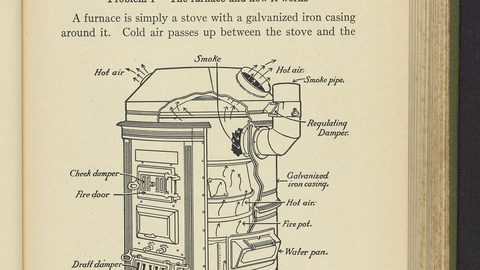 How the equipment works (IR, hit zones, respawns)
How laser tag equipment functions in Singapore: infrared emitters, sensor-vest hit zones, respawn mechanics, and what to do when a vest malfunctions.
How the equipment works (IR, hit zones, respawns)
How laser tag equipment functions in Singapore: infrared emitters, sensor-vest hit zones, respawn mechanics, and what to do when a vest malfunctions.
-
 Laser tag birthday party checklist
A parent's checklist for booking a laser tag birthday party in Singapore: party-room policies, headcount pitfalls, consent waivers, and what to ask before you book.
Laser tag birthday party checklist
A parent's checklist for booking a laser tag birthday party in Singapore: party-room policies, headcount pitfalls, consent waivers, and what to ask before you book.
-
 Laser tag for corporate teams: structuring scenarios
How to structure a laser tag session for corporate groups in Singapore, including game modes that demand communication and how to handle large cohorts.
Laser tag for corporate teams: structuring scenarios
How to structure a laser tag session for corporate groups in Singapore, including game modes that demand communication and how to handle large cohorts.
-
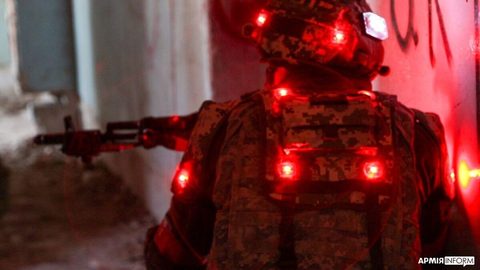 Laser tag for kids: ages, session length, supervision
How laser tag sessions in Singapore work for kids, covering real minimum ages, vest and phaser sizing, safety supervision, and birthday party logistics.
Laser tag for kids: ages, session length, supervision
How laser tag sessions in Singapore work for kids, covering real minimum ages, vest and phaser sizing, safety supervision, and birthday party logistics.
-
 Laser tag vs paintball vs airsoft: pain, cost drivers, age
Laser tag, paintball, and airsoft compared for Singapore groups on pain level, minimum age, cost structure, hit detection, and safety gear requirements.
Laser tag vs paintball vs airsoft: pain, cost drivers, age
Laser tag, paintball, and airsoft compared for Singapore groups on pain level, minimum age, cost structure, hit detection, and safety gear requirements.
-
 Outdoor laser tag vs indoor laser arenas
How outdoor laser tag and indoor laser arenas in Singapore differ on weather risk, terrain, scoring reliability, comfort, and group-size handling.
Outdoor laser tag vs indoor laser arenas
How outdoor laser tag and indoor laser arenas in Singapore differ on weather risk, terrain, scoring reliability, comfort, and group-size handling.
-
 Price drivers and hidden add-ons
What drives laser tag pricing in Singapore: headcount minimums, peak versus off-peak rates, private-session surcharges, party-room costs, and add-ons to budget for.
Price drivers and hidden add-ons
What drives laser tag pricing in Singapore: headcount minimums, peak versus off-peak rates, private-session surcharges, party-room costs, and add-ons to budget for.
-
 What to expect at your first laser tag session
Walk through your first laser tag session in Singapore from check-in to final scorecard, including the briefing, gear-up, arena environment, and how respawns work.
What to expect at your first laser tag session
Walk through your first laser tag session in Singapore from check-in to final scorecard, including the briefing, gear-up, arena environment, and how respawns work.
Nerf, airsoft and other combat games
Guide
-
 Airsoft in Singapore: what is and isn't allowed (check the rules)
Airsoft is heavily restricted in Singapore under the Arms and Explosives Act, with replicas classified as firearms; most casual group bookings must choose paintball or archery tag instead.
Airsoft in Singapore: what is and isn't allowed (check the rules)
Airsoft is heavily restricted in Singapore under the Arms and Explosives Act, with replicas classified as firearms; most casual group bookings must choose paintball or archery tag instead.
-
 Choosing between foam, IR and gel-blaster formats
Foam darts, infrared beams, or gel blasters: how Singapore combat game formats differ in hit feedback, sting level, and what the law says about gel blasters.
Choosing between foam, IR and gel-blaster formats
Foam darts, infrared beams, or gel blasters: how Singapore combat game formats differ in hit feedback, sting level, and what the law says about gel blasters.
-
 Nerf battles for kids vs adults: how they differ
Nerf battles in Singapore are run differently for kids and adults: children's sessions use simpler game modes and lighter blasters with more facilitators, while adult sessions offer custom loadouts and higher intensity.
Nerf battles for kids vs adults: how they differ
Nerf battles in Singapore are run differently for kids and adults: children's sessions use simpler game modes and lighter blasters with more facilitators, while adult sessions offer custom loadouts and higher intensity.
-
 Noise, space and venue requirements for home or condo events
Condo function room rules, noise curfews, and space minimums for running a mobile combat game at a Singapore home or residential complex.
Noise, space and venue requirements for home or condo events
Condo function room rules, noise curfews, and space minimums for running a mobile combat game at a Singapore home or residential complex.
-
 Paintball alternatives in Singapore
For Singapore groups seeking combat games without paintball's high sting and bruising, archery tag, Nerf wars, and laser tag offer progressively lower-impact alternatives with different hit-feedback trade-offs.
Paintball alternatives in Singapore
For Singapore groups seeking combat games without paintball's high sting and bruising, archery tag, Nerf wars, and laser tag offer progressively lower-impact alternatives with different hit-feedback trade-offs.
-
 Price drivers
Headcount minimums, facilitator ratios, consumables, and peak surcharges: what drives the cost of combat games in Singapore, with no prices stated.
Price drivers
Headcount minimums, facilitator ratios, consumables, and peak surcharges: what drives the cost of combat games in Singapore, with no prices stated.
-
 Protective gear explained
Protective gear requirements for Singapore combat games range from ASTM-rated full-face paintball masks to basic ANSI-rated eye protection for Nerf, with each format carrying distinct gear-failure risks in the humidity.
Protective gear explained
Protective gear requirements for Singapore combat games range from ASTM-rated full-face paintball masks to basic ANSI-rated eye protection for Nerf, with each format carrying distinct gear-failure risks in the humidity.
-
 Rules that keep mixed-age groups fair
The handicap rules, team-splitting methods, and safety adjustments Singapore combat operators use when kids and adults play in the same session.
Rules that keep mixed-age groups fair
The handicap rules, team-splitting methods, and safety adjustments Singapore combat operators use when kids and adults play in the same session.
-
 Running a DIY nerf party safely
Eye protection standards, dart counts, safety rules, and the PUB lightning stop requirement for running a DIY Nerf party in Singapore.
Running a DIY nerf party safely
Eye protection standards, dart counts, safety rules, and the PUB lightning stop requirement for running a DIY Nerf party in Singapore.
-
 Scenario games and objective-based missions
How objective-based combat missions like capture the flag and VIP escort work in Singapore, and how the format changes with projectile versus electronic scoring.
Scenario games and objective-based missions
How objective-based combat missions like capture the flag and VIP escort work in Singapore, and how the format changes with projectile versus electronic scoring.
Outdoor adventure
Guide
-
 Bringing gear vs renting
-
 Early-morning vs evening sessions
-
 Fitness levels and choosing difficulty
How to assess the fitness demands of outdoor group activities in Singapore and match them to a group with mixed physical capabilities and comfort levels.
Fitness levels and choosing difficulty
How to assess the fitness demands of outdoor group activities in Singapore and match them to a group with mixed physical capabilities and comfort levels.
-
 Heat and haze: planning for Singapore weather
How Singapore's heat, humidity, and haze affect outdoor group activities—and the planning steps that reduce the risk of heat exhaustion or cancellation.
Heat and haze: planning for Singapore weather
How Singapore's heat, humidity, and haze affect outdoor group activities—and the planning steps that reduce the risk of heat exhaustion or cancellation.
-
 Kayaking, high ropes, cycling and hiking for groups
How kayaking, high ropes, cycling, and hiking work as group activities in Singapore—session flow, fitness requirements, safety rules, and what changes with group size.
Kayaking, high ropes, cycling and hiking for groups
How kayaking, high ropes, cycling, and hiking work as group activities in Singapore—session flow, fitness requirements, safety rules, and what changes with group size.
-
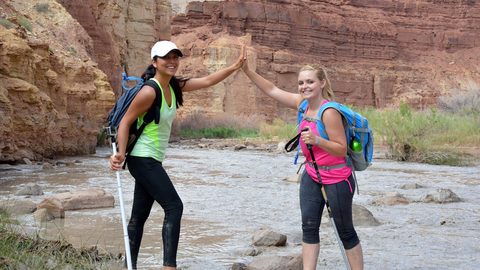 Kids and outdoor adventure: minimum ages
Operator-stated minimum ages for kids' outdoor activities in Singapore often mislead. Learn the real suitability age by activity, from draw strength to equipment sizing.
Kids and outdoor adventure: minimum ages
Operator-stated minimum ages for kids' outdoor activities in Singapore often mislead. Learn the real suitability age by activity, from draw strength to equipment sizing.
-
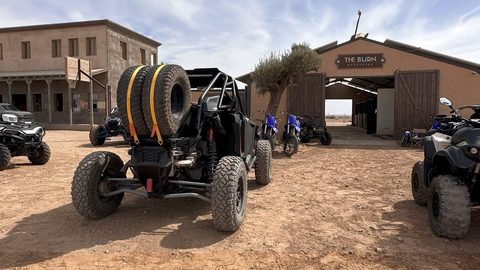 Outdoor activities on Sentosa, Pulau Ubin and in the parks
What Sentosa, Pulau Ubin, and Singapore's parks offer for group activities—permit requirements, access constraints, and what each venue does best.
Outdoor activities on Sentosa, Pulau Ubin and in the parks
What Sentosa, Pulau Ubin, and Singapore's parks offer for group activities—permit requirements, access constraints, and what each venue does best.
-
 Permits and park rules for group games (check NParks guidance)
When organised group games in Singapore parks require an NParks permit, what the rules cover, and how to plan within the regulatory framework.
Permits and park rules for group games (check NParks guidance)
When organised group games in Singapore parks require an NParks permit, what the rules cover, and how to plan within the regulatory framework.
-
 Price drivers
-
 Safety briefings and first-aid expectations
Rainy-day and indoor activities
Guide
-
 Air-conditioned group outings near MRT stations
Air-conditioned group activity venues in Singapore within walking distance of MRT stations, keeping the whole group dry from door to door.
Air-conditioned group outings near MRT stations
Air-conditioned group activity venues in Singapore within walking distance of MRT stations, keeping the whole group dry from door to door.
-
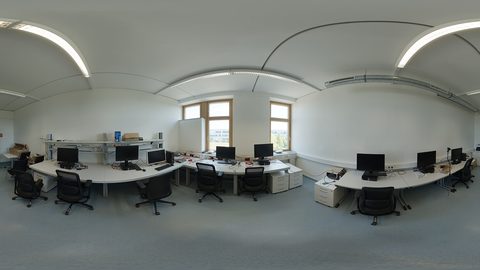 Combining an indoor activity with a meal
How to sequence an indoor group activity and a meal so the transition is smooth, the venue supports it, and the timeline accounts for real session durations.
Combining an indoor activity with a meal
How to sequence an indoor group activity and a meal so the transition is smooth, the venue supports it, and the timeline accounts for real session durations.
-
 How to check a venue's crowd levels and peak times
How peak times and crowd levels affect Singapore indoor group activity venues, and how to check availability before booking during monsoon season.
How to check a venue's crowd levels and peak times
How peak times and crowd levels affect Singapore indoor group activity venues, and how to check availability before booking during monsoon season.
-
 Indoor active things to do when it rains
Indoor active group activities in Singapore that run rain or shine, from laser tag and archery tag to trampoline parks and climbing gyms.
Indoor active things to do when it rains
Indoor active group activities in Singapore that run rain or shine, from laser tag and archery tag to trampoline parks and climbing gyms.
-
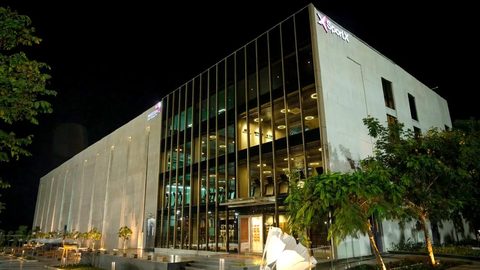 Indoor arenas: laser tag, trampoline parks, climbing
Compare Singapore's purpose-built indoor arenas—laser tag, trampoline parks, and climbing gyms—for group outings that run regardless of weather.
Indoor arenas: laser tag, trampoline parks, climbing
Compare Singapore's purpose-built indoor arenas—laser tag, trampoline parks, and climbing gyms—for group outings that run regardless of weather.
-
 Indoor options for toddlers vs teens
Indoor group activities in Singapore sorted by age: what works for toddlers, what engages teenagers, and how to handle mixed-age groups.
Indoor options for toddlers vs teens
Indoor group activities in Singapore sorted by age: what works for toddlers, what engages teenagers, and how to handle mixed-age groups.
-
 Indoor team activities for offices
Indoor team activities for Singapore offices when rain cancels outdoor plans, comparing facilitated team building, escape rooms, and indoor combat games.
Indoor team activities for offices
Indoor team activities for Singapore offices when rain cancels outdoor plans, comparing facilitated team building, escape rooms, and indoor combat games.
-
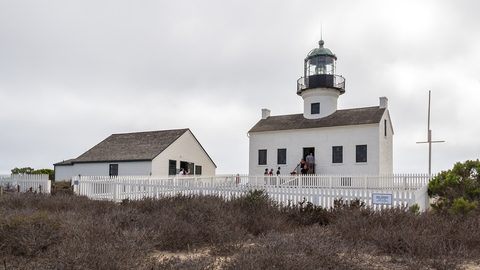 Museums and historic sites that work in wet weather (e.g. Fort Canning bunkers, as a third-party listing)
Museums and historic sites in Singapore suited for group visits during wet weather, from the Battlebox bunker to Changi Chapel and Museum.
Museums and historic sites that work in wet weather (e.g. Fort Canning bunkers, as a third-party listing)
Museums and historic sites in Singapore suited for group visits during wet weather, from the Battlebox bunker to Changi Chapel and Museum.
-
 Price drivers
The factors that drive the cost of indoor group activities in Singapore—headcount minimums, facilitator ratios, peak slots, and add-ons—without quoting a single price.
Price drivers
The factors that drive the cost of indoor group activities in Singapore—headcount minimums, facilitator ratios, peak slots, and add-ons—without quoting a single price.
Team building and corporate events
Guide
-
 Active vs low-impact activities for mixed teams
Comparing active and low-impact team building activities in Singapore for mixed teams: how to include reluctant participants and avoid dropout.
Active vs low-impact activities for mixed teams
Comparing active and low-impact team building activities in Singapore for mixed teams: how to include reluctant participants and avoid dropout.
-
 Facilitated vs self-run activities
The difference between a facilitated team building session with a debrief and a self-run activity in Singapore, and when the facilitator is worth the cost.
Facilitated vs self-run activities
The difference between a facilitated team building session with a debrief and a self-run activity in Singapore, and when the facilitator is worth the cost.
-
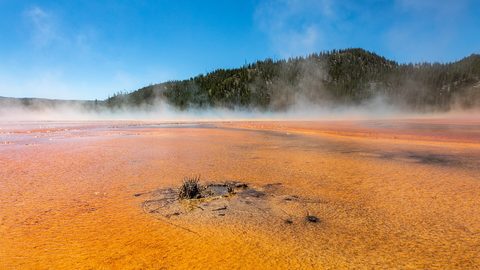 Half-day vs full-day programme structures
How half-day and full-day team building programmes in Singapore differ in active play time, structure, and how to avoid afternoon fatigue in the heat.
Half-day vs full-day programme structures
How half-day and full-day team building programmes in Singapore differ in active play time, structure, and how to avoid afternoon fatigue in the heat.
-
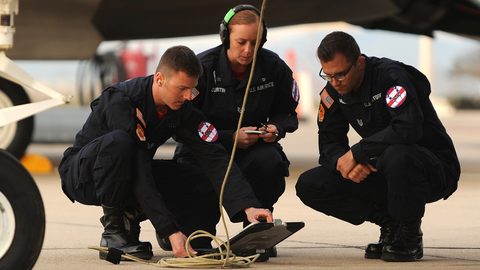 Heritage and history-based team outings
How to plan a heritage or WWII history team outing in Singapore, from Battlebox guided tours to coastal gun sites, with session flow and what drives the cost.
Heritage and history-based team outings
How to plan a heritage or WWII history team outing in Singapore, from Battlebox guided tours to coastal gun sites, with session flow and what drives the cost.
-
 How to choose a team-building format by goal (bonding, competition, learning)
How to match a Singapore team building format to your goal: bonding through shared experience, competition with clear winners, or learning via facilitated debrief.
How to choose a team-building format by goal (bonding, competition, learning)
How to match a Singapore team building format to your goal: bonding through shared experience, competition with clear winners, or learning via facilitated debrief.
-
 Inclusivity: fitness, religion, dietary needs, injuries
How to plan team activities in Singapore that include different fitness levels, religious practices, dietary needs, and physical accessibility requirements.
Inclusivity: fitness, religion, dietary needs, injuries
How to plan team activities in Singapore that include different fitness levels, religious practices, dietary needs, and physical accessibility requirements.
-
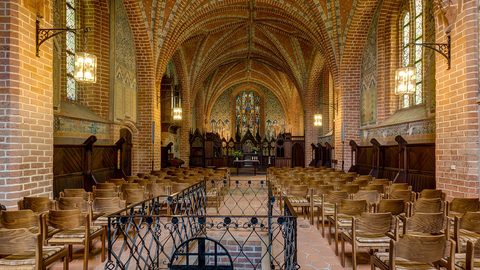 Planning for 20, 50, 200+ staff
How team building logistics in Singapore change at 20, 50, and 200+ staff: rotation formats, wait-time dynamics, and when single-activity models break.
Planning for 20, 50, 200+ staff
How team building logistics in Singapore change at 20, 50, and 200+ staff: rotation formats, wait-time dynamics, and when single-activity models break.
-
 Price drivers and what "per pax" quotes usually exclude
What drives the cost of team-building activities in Singapore, from headcount minimums and facilitator ratios to what per-head quotes usually exclude.
Price drivers and what "per pax" quotes usually exclude
What drives the cost of team-building activities in Singapore, from headcount minimums and facilitator ratios to what per-head quotes usually exclude.
-
 Rainy-season contingency planning
How to build a wet-weather contingency plan for outdoor team building during Singapore's monsoon seasons, including PUB lightning rules and backup venue strategy.
Rainy-season contingency planning
How to build a wet-weather contingency plan for outdoor team building during Singapore's monsoon seasons, including PUB lightning rules and backup venue strategy.
-
 Unusual event venues in Singapore (historic sites, rooftops, islands)
Unusual Singapore venues for team building—historic sites, rooftops, islands—and the constraints each imposes on weather backup, permits, and logistics.
Unusual event venues in Singapore (historic sites, rooftops, islands)
Unusual Singapore venues for team building—historic sites, rooftops, islands—and the constraints each imposes on weather backup, permits, and logistics.
-
 Writing an RFP or brief for activity providers
What to include in a brief or RFP to Singapore team-building providers so you get comparable proposals covering headcount, wet-weather backup, and cost exclusions.
Writing an RFP or brief for activity providers
What to include in a brief or RFP to Singapore team-building providers so you get comparable proposals covering headcount, wet-weather backup, and cost exclusions.
WWII and heritage experiences
Guide
-
 Age suitability of war museums for children
Age-by-age suitability of Singapore's war museums and WWII sites for children, covering emotional weight of content, bunker claustrophobia, graphic imagery, and developmental engagement.
Age suitability of war museums for children
Age-by-age suitability of Singapore's war museums and WWII sites for children, covering emotional weight of content, bunker claustrophobia, graphic imagery, and developmental engagement.
-
 Commemorations calendar (15 Feb Total Defence Day, Remembrance/ANZAC Day)
The annual calendar of WWII commemorations at Singapore's heritage sites—Total Defence Day, ANZAC Day, Remembrance Day—with ceremony details, group attendance, and site access changes.
Commemorations calendar (15 Feb Total Defence Day, Remembrance/ANZAC Day)
The annual calendar of WWII commemorations at Singapore's heritage sites—Total Defence Day, ANZAC Day, Remembrance Day—with ceremony details, group attendance, and site access changes.
-
 Getting to Fort Canning Park from Dhoby Ghaut (independent directions)
Independent walking directions from Dhoby Ghaut MRT to Fort Canning Park and the Battlebox entrance, covering multiple approach routes, hill gradients, and mobility access limitations.
Getting to Fort Canning Park from Dhoby Ghaut (independent directions)
Independent walking directions from Dhoby Ghaut MRT to Fort Canning Park and the Battlebox entrance, covering multiple approach routes, hill gradients, and mobility access limitations.
-
 Heritage walking tours vs self-guided visits: how to choose
How to decide between a guided heritage tour and a self-guided visit at Singapore's WWII sites, based on interpretation depth, site complexity, and the real meaning of 'guided' across operators.
Heritage walking tours vs self-guided visits: how to choose
How to decide between a guided heritage tour and a self-guided visit at Singapore's WWII sites, based on interpretation depth, site complexity, and the real meaning of 'guided' across operators.
-
 Heritage-themed team building and corporate tours
How corporate groups can use Singapore's WWII heritage sites for facilitated team building that extracts workplace lessons from the historical narrative, not just a guided tour.
Heritage-themed team building and corporate tours
How corporate groups can use Singapore's WWII heritage sites for facilitated team building that extracts workplace lessons from the historical narrative, not just a guided tour.
-
 History-themed escape games and night events
History-themed escape games, outdoor puzzle hunts, and night events at Singapore's WWII heritage sites, covering operator-site partnerships, historical accuracy, and practical constraints.
History-themed escape games and night events
History-themed escape games, outdoor puzzle hunts, and night events at Singapore's WWII heritage sites, covering operator-site partnerships, historical accuracy, and practical constraints.
-
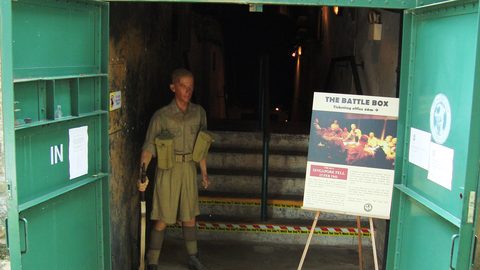 The Battlebox history explained: Malaya Command and 15 Feb 1942
-
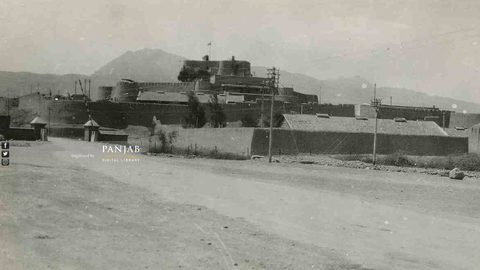 Visiting the Fort Canning WWII bunker: what to know (independent)
-
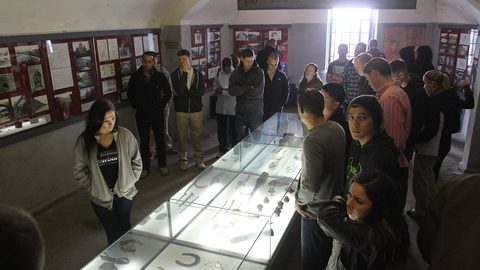 WWII history outings for school groups
Planning a curriculum-linked WWII history outing for school groups in Singapore, covering site suitability by age, safety ratios, wet-weather plans, and which sites handle large cohorts efficiently.
WWII history outings for school groups
Planning a curriculum-linked WWII history outing for school groups in Singapore, covering site suitability by age, safety ratios, wet-weather plans, and which sites handle large cohorts efficiently.
-
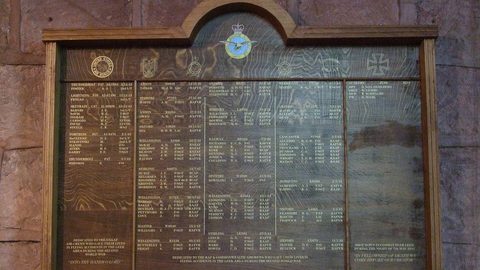 WWII sites trail: Fort Canning, Kranji War Memorial, Changi Chapel, Labrador Battery, Bukit Chandu
A sequenced trail through Singapore's five core WWII heritage sites, following the historical arc from pre-war defences through surrender to commemoration, with site operator details and group visit logistics.
WWII sites trail: Fort Canning, Kranji War Memorial, Changi Chapel, Labrador Battery, Bukit Chandu
A sequenced trail through Singapore's five core WWII heritage sites, following the historical arc from pre-war defences through surrender to commemoration, with site operator details and group visit logistics.