Escape Room Accessibility and Claustrophobia Considerations in Singapore
What to check for escape room accessibility in Singapore, from wheelchair step-free access to claustrophobia panic buttons and sensory sensitivity warnings.
Escape Room Accessibility and Claustrophobia Considerations in Singapore
Before you book an escape room in Singapore, confirm that everyone in your group can physically enter the room, tolerate the environment, and exit immediately if needed. The answer changes by venue, by room design, and by building. What to ask, what to disclose, and when to walk away from a reservation. Most Singapore escape rooms operate out of shophouse units or industrial buildings. That means a step at the entrance, a narrow doorway, and a room that may be in a basement. Wheelchair access is not standard. Strobe lighting and sudden loud audio are common in horror and thriller themes. The locked door itself can trigger anxiety even in a physically spacious room. You handle all of this by asking the right questions before you pay, not after you arrive.
Escape Room Wheelchair Access Singapore: What To Ask Before You Book
Step-Free Access And Door Width
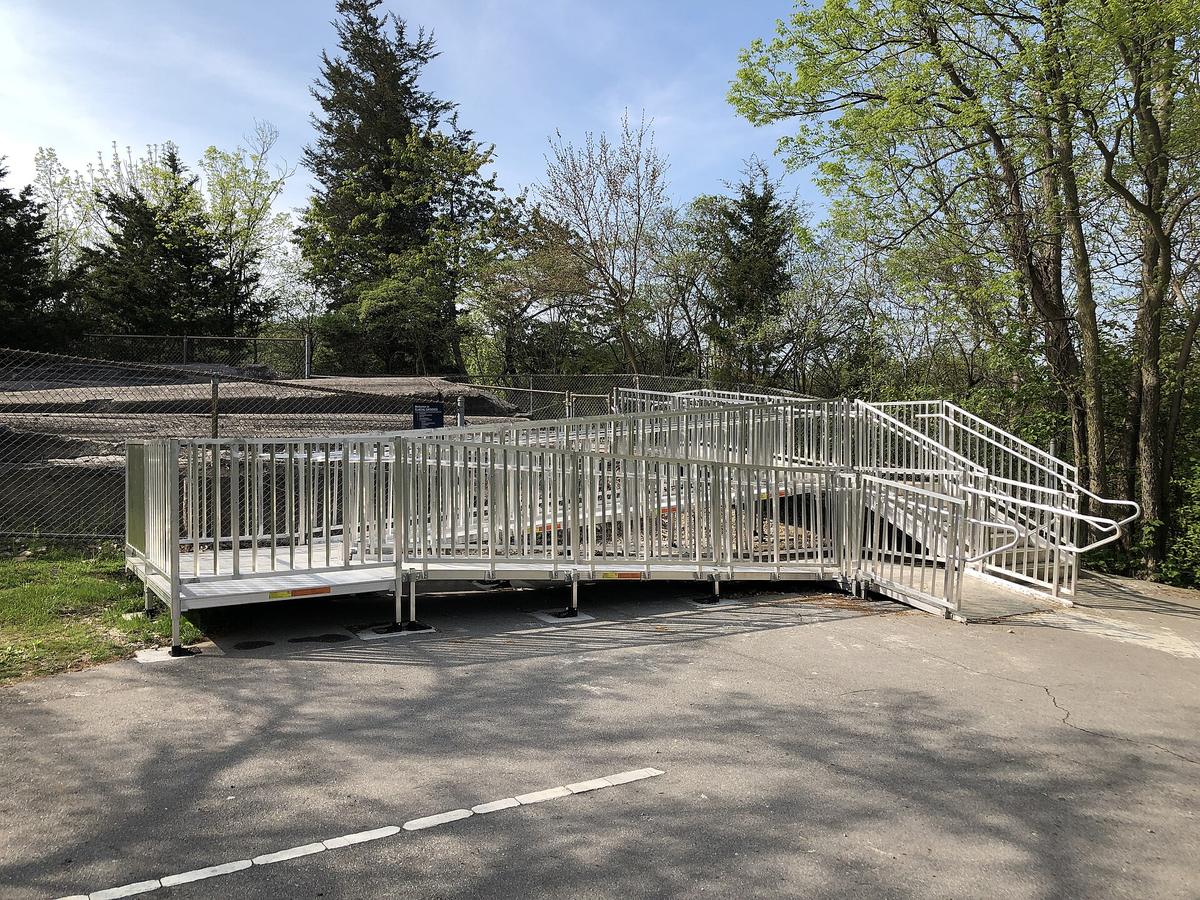
Do not accept a 'wheelchair-friendly' claim from a venue. Ask for specifics. You need confirmation of step-free access from the street to the room, and door width measurements for every doorway along that route. A standard wheelchair requires at least 81 cm of clear width. Many shophouse units in Singapore have entrances with one or two steps and no ramp. Basement venues often have a lift, but the lift car may be too small for a power wheelchair. Industrial unit venues may have a ground-floor entrance with a wide door, but the room itself might be on a mezzanine accessed by stairs.
Ask whether the room itself is on the same level as the entrance. If the room is wheelchair-accessible, ask whether the puzzle elements, key boxes, combination locks, props mounted on walls, are reachable from a seated height. Some rooms require reaching into high cabinets or low drawers that are not accessible from a wheelchair. The venue staff should be able to describe the room layout, including any steps, raised platforms, or narrow passages. If they cannot, that is a red flag.
Call, Don't Email
Most escape rooms in Singapore do not require crawling, climbing, or heavy lifting. That is one less barrier. But physical access to the room itself is the first gate, and it is the one most venues understate. Call, not just email. Ask for the entrance photo. If the staff hesitate, move on to a venue that publishes this information.
Escape Room Claustrophobia Friendly Singapore: The Locked Door Is The Problem, Not The Room Size
The premise of an escape room is that you are locked in. That alone can trigger claustrophobia or locked-door anxiety, even in a room with a 6-metre ceiling and plenty of floor space. The psychological trigger is the confinement, not the dimensions. A claustrophobia-friendly escape room in Singapore should offer three things: an early exit mechanism, a panic button, and a game master who has been told about your trigger before the session starts.
Industry standard in Singapore requires the exit door to remain unlocked or be openable from inside at all times. Ask the venue to confirm this. Some will leave the door ajar on request. Others will let you stand near the exit. Most permit an early exit at any time with no penalty. But that only helps if you know the option exists. Do not assume it. Disclose claustrophobia to the game master during the pre-game briefing. The game master monitors the room continuously via CCTV and audio and can pause the game, open the door, or enter the room within seconds.
Pick The Right Room
Some venues offer rooms with larger floor area or higher ceilings. Ask about room layout before you reserve. A room described as 'intimate' or 'cozy' is code for small. A room with crawl-through tunnels or confined-space props like lockers and cabinets should be disclosed in the room description. If you are booking for a group that includes someone with claustrophobia, pick a room without those features.
Escape Room Sensory Sensitivity Singapore: Strobe, Audio, And Darkness
Horror and thriller themed rooms are the most likely to use strobe lighting, sudden loud audio, and dim or total darkness segments. These are not optional effects; they are built into the room's narrative. If you have sensory sensitivity, check the room's description for these triggers before you reserve. Venues are required by the Singapore Police Force entertainment licence to disclose strobe lighting warnings in the room description. But the level of detail varies. Some list it clearly. Others bury it in terms and conditions.
Ask directly: Does the room use strobe lights? Are there loud sound effects or sudden audio cues? Are there segments of total darkness? Can those effects be turned off or adjusted? Some venues offer sensory-friendly sessions where lights are raised, audio is lowered, and jump scares are removed. These are not always advertised. You have to ask.
If a room uses total darkness segments, that is a separate consideration for anyone with claustrophobia, not just sensory sensitivity. Darkness removes visual orientation, which amplifies the feeling of confinement. The game master can turn on ambient lighting if you request it during the briefing. But that only works if you tell them before the game starts.
Escape Room Physical Access Requirements Singapore: What You Actually Need To Do
Most escape rooms in Singapore require no more physical exertion than standing, walking, reaching, and turning a combination dial. Crawling, climbing, or heavy lifting is rare and is always disclosed in the room description. But there are physical access requirements that are not always obvious.
Mobility And Fine Motor Control
Door width is the first. If you use a wheelchair, a walking frame, or crutches, the door to the room and any doors inside must be wide enough. Ask for the measurement, not an assurance. Step-free access from the street to the room is the second. If the venue is in a shophouse, there is almost certainly a step at the entrance. If the venue is in a basement, there is a staircase or a lift. If the lift is small, it may not accommodate a power wheelchair or a mobility scooter.
The third requirement is the ability to stand or sit for the full session duration, which is 45 to 60 minutes. Some rooms have seating, but not all. If you need to sit, ask whether the room includes a chair or stool. The fourth requirement is fine motor control for manipulating small locks, keys, and props. If you have limited hand function, ask whether the room uses touchscreens, magnetic sensors, or other accessible mechanisms instead of small combination locks.
Communication With The Game Master
The fifth requirement is the ability to communicate with the game master. Communication is via in-room intercom, walkie-talkie, or panic button. If you are deaf or hard of hearing, ask whether the game master can send visual cues or text messages. If you are blind or have low vision, ask whether the room relies on written clues or visual patterns. Some rooms are solvable by touch and audio alone, but most are not.
What To Do Next: Ask The Venue, Not The Booking Page
The single thing that most often goes wrong is that a participant arrives expecting a room that can accommodate them, only to find a step at the entrance, a door too narrow for a wheelchair, or a horror-themed room with strobe lights and total darkness that was disclosed only in fine print. The venue's website and the reservation platform are not the same thing. The platform may not have the room layout description, the door width, or the claustrophobia trigger disclosure. Call the venue. Ask the specific questions from this page. If the staff cannot answer them clearly, book elsewhere. Singapore has dozens of escape room outlets, and the accessible ones are the ones that publish this information upfront.
Common Questions
Can I leave an escape room in Singapore if I feel claustrophobic?
Yes. Industry standard in Singapore requires the exit door to remain unlocked or openable from inside at all times. Most venues permit early exit at any time with no penalty. Tell the game master before the session starts that you may need to exit, and they will monitor you via CCTV and audio. Press the panic button or use the intercom to signal that you need to leave.
Are Singapore escape rooms wheelchair accessible?
Some are, but most are not. Many venues are in shophouse units with steps at the entrance, or in basements with narrow lifts. Do not accept a 'wheelchair-friendly' claim. Ask for step-free access confirmation and door width measurements. A standard wheelchair requires at least 81 cm of clear door width. Verify with the venue directly, not the reservation platform.
Do escape rooms in Singapore have strobe lights or loud sounds?
Horror and thriller themed rooms commonly use strobe lighting, loud audio, and total darkness segments. These effects are required to be disclosed in the room description under Singapore Police Force entertainment licence rules. Ask the venue directly if you have sensory sensitivity. Some offer sensory-friendly sessions with reduced audio and lighting.
What is the minimum age for escape rooms in Singapore?
The common minimum age threshold is 7 years old, but this varies by venue. Most require an adult to be present in the room if any player is under 16. Players under 13 cannot participate without an adult accompanying them. Check the specific venue's policy before you reserve.
What should I tell the game master before an escape room session?
Disclose claustrophobia, sensory triggers, physical limitations, and any medical conditions that could affect your ability to stay in the room. The game master can adjust lighting, leave the door ajar, offer an early exit, or pause the game. They cannot help if they do not know. Disclose during the pre-game briefing, not after the timer starts.