Singapore Outdoor Adventure Group Activities Overview
An overview of outdoor group adventure activities in Singapore—kayaking, high ropes, cycling, hiking—and how to choose based on fitness, weather, and group size.
Singapore's outdoor adventure scene runs on a simple truth that catches most first-time planners off guard: nothing here is a walk-up. The phrase outdoor adventure group activities singapore describes a category of commercially-operated, booked-ahead, waiver-signed experiences, not a spontaneous kick-about in a park. The landscape splits into four families: water-based (kayaking, dragon boating), height-based (high ropes, ziplining), self-propelled (cycling, hiking), and venue-specific (Sentosa, Pulau Ubin, the WWII heritage trail). Each of the guides in this section explains how a session runs, who it suits by age and fitness, the safety rules that govern it, how it changes with group size, and what drives the cost. No prices appear here because those move with season and provider. The job of this page is to own the map: it points you to the right sub-page by the question you are actually trying to answer, not by a title that sounds professional. If you are planning a corporate off-site, a school cohort, or a weekend with friends who cannot agree on anything, start here. Match your group's temperament to a format, then read the specific guide before you book anything.
Before you pick an outing, respect the two weather dimensions that shape every outdoor plan in this country: the monsoon and the haze. The northeast monsoon (December, March) and the southwest monsoon (June, September) bring predictable heavy rain. Any outdoor booking without a wet-weather backup is a gamble you will lose. The haze, when it arrives, is not a light sprinkle. It is an air-quality event that can cancel sessions entirely. The operational detail, how providers decide to stop, what the PUB lightning advisory actually requires (activities cease when lightning is within 6-8 km), and how to read a Wet Bulb Globe Temperature reading, lives in the heat-and-haze guide. For this page, internalise one rule: never book an exposed-site outing without confirming the provider's cancellation policy and your own backup plan. If you are booking between November and January, you are in the northeast monsoon's window. Plan for rain as the default, not the exception.
.jpg)
If your group wants to shoot, tag, or collide with each other, you are looking at the combat games family. These are high-energy, short-burst, and almost always outdoors, which means they are also the most weather-exposed format on this page. The category includes laser tag, archery tag, bubble soccer, Nerf wars, gel blaster, and paintball. The single biggest mistake newcomers make is assuming any of these allow walk-ins. They do not. You need a minimum group size of 6-10 confirmed participants and a booking. The second mistake is underestimating the heat. These games run at high intensity in 30°C-plus heat with 80% humidity, and the protective gear does not breathe. Heat exhaustion during outdoor combat games is a real failure mode, caused by high exertion, inadequate hydration breaks, and the insulating effect of vests and masks. Book a morning slot if you can. Demand a water plan before you pay, and read the specific combat guide for how each game's scoring works.
Laser tag outdoor variants distinguish themselves by high-tech scoring, no physical projectiles, and indoor climate control, though many providers run outdoor arenas that are merely shaded, not air-conditioned. The key question is not whether it is fun; it is how scoring works. Electronic real-time scoring changes the competitive dynamic completely versus honour-based hit-calling in archery tag. If your group is competitive, a real-time leaderboard makes the outing. If your group is casual, the constant beeping and vibration can feel like admin. The facilitation quality matters more than the gear. A good facilitator briefs the rules, manages rotations, and keeps energy up. A bad one hands you a vest and points. For corporate team building singapore, laser tag works best for groups of 10-30 who want a clear winner and do not mind the sweat. It is not the format for drawing out leadership dynamics; that is what facilitated problem-solving is for.
If the appeal is full-body collisions, not ball skill, then bubble soccer is your answer. This is the format where a group of adults in giant inflatable suits run into each other and fall over laughing, or get hurt, depending on your crowd. The bubble does the work. No one needs to be athletic, coordinated, or even particularly willing. The pain level is low-to-medium. You are falling onto grass, but you are falling from a run. The dropout rate among reluctant participants is real, especially among people who hate the idea of being tackled. For an adventure group outing singapore, bubble soccer suits groups of 8-20 who want permission to be silly. It does not suit anyone looking for strategy or skill development. The sceptical question to ask the provider is about the briefing: if they do not walk you through safe falling technique in the first five minutes, they have not thought about the risk. That is a red flag.
Battle of Singapore Heritage Trail
A parallel track that many visitors do not expect runs through the outdoor adventure scene: the heritage trail, built on the Battle of Singapore (8-15 February 1942). This is not a theme park. It is a set of pre-war sites, Fort Canning, Labrador, the old battlements, where the guns famously faced the sea, not the landward invasion that actually came. The military event that ties these sites together is distinguished by the speed of the Allied collapse and the enduring 'who lost Singapore' question. For planning purposes, know this: the sites are primarily outdoor remnants, and visitors without a guide or context leave underwhelmed. A plaque on a wall does not convey the tactical disaster. The historical depth ranges from plaque-only to site-with-panels to a full guided narrative, and that gap is the difference between seeing a fort and understanding what happened there. For school and uniformed-group coordinators, the curriculum links are strong. For casual visitors, book a guide or skip the heritage trail entirely.
The heritage sites sit on land managed by NParks, and that is not a trivial detail. NParks is the land custodian, not the tour content provider. The physical site is maintained, but the stories, the sequence, and the logistics are your responsibility or your guide's. The failure mode here is WWII site fatigue from poor sequencing. Visiting multiple heritage sites in one day without narrative structure turns a powerful history into a series of identical green lawns. The fix is to pick one site, do it properly with a guide, and stop. If you are covering Fort Canning and Labrador in a single afternoon, you are doing it wrong. Check for NParks trail closures before you go. Sections close for maintenance or events, and build slack into the day. The heritage track works best for groups of 10-25 who want depth, not photos.
Self-Propelled Outings: Kayaking, Cycling, Hiking
If your group prefers to keep moving, the self-propelled family, kayaking, cycling, hiking, offers the most flexibility and the fewest safety waivers. Kayaking ranges from sheltered reservoirs perfect for beginners to open-sea conditions that demand experience. The minimum age for a guided group is 7 years in a double kayak with an adult; for dragon boating it is 12 years. Both vary with the provider and event format. Instructor-to-participant ratios on flat water run 1:8 to 1:12. On open sea, expect 1:4 to 1:6. The safety gear requires a personal flotation device meeting an accepted international standard or equivalent, and a helmet for sea conditions. The cost driver is the instructor-to-participant ratio. A lower ratio means tighter supervision, higher per-head cost, and a less pleasant day if the instructor is stretched. Book at a People's Association Water-Venture outlet for the most reliable launch points, and check with the Maritime and Port Authority for any route closures.
Cycling and hiking follow the same planning logic but with less gear. A cycling route through East Coast Park is flat, accessible, and easy to do with a large group, but it is also exposed to the sun. Plan for heat stress management with mandatory water breaks every 20-30 minutes when the Wet Bulb Globe Temperature exceeds 31°C. Hiking at Pulau Ubin or the MacRitchie trails offers more cover but more variable terrain. The fitness level of your group dictates the route, not the other way around. The mistake here is overestimating capability. A 10 km hike in Singapore's humidity is a 10 km hike elsewhere; the heat changes the math. If you are bringing a diverse group, choose the shorter loop and stop for the view. These outings do not need a facilitator the way combat games do, but they do need a leader who has checked the weather, the trail conditions, and the exit points. The cost is lower, mostly rental and access, but the planning burden is yours.
Height-Based Challenges: High Ropes and Ziplining
For height-based challenges, the high ropes course is the quintessential group outing, and Singapore has two major sites worth knowing: Forest Adventure at Bedok Reservoir and Mega Adventure Park on Sentosa. A high-element ropes course involves elevated platforms, ziplines, and a harness system that does the safety work, provided the provider follows the protocol. The safety gear is a helmet, a full-body harness, and a twin lanyard system with self-locking carabiners. If any of that is missing, walk away. The maximum weight is 120 kg, varying with the provider, and the minimum age is 5-7 years, depending on the course height. Instructor-to-participant ratios run 1:8 to 1:10, with at least one qualified instructor per elevated platform zone. The ziplining component at Mega Adventure Park has a typical instructor ratio of 1:8 to 1:12. The cost driver is the same as kayaking: lower ratios mean safer, more expensive outings. For an adventure group outing singapore, a high ropes course is the best physical metaphor for trust and encouragement, but it is not a team-building exercise unless you hire a facilitator to run it that way.
Venue-Specific Options: Sentosa and Pulau Ubin
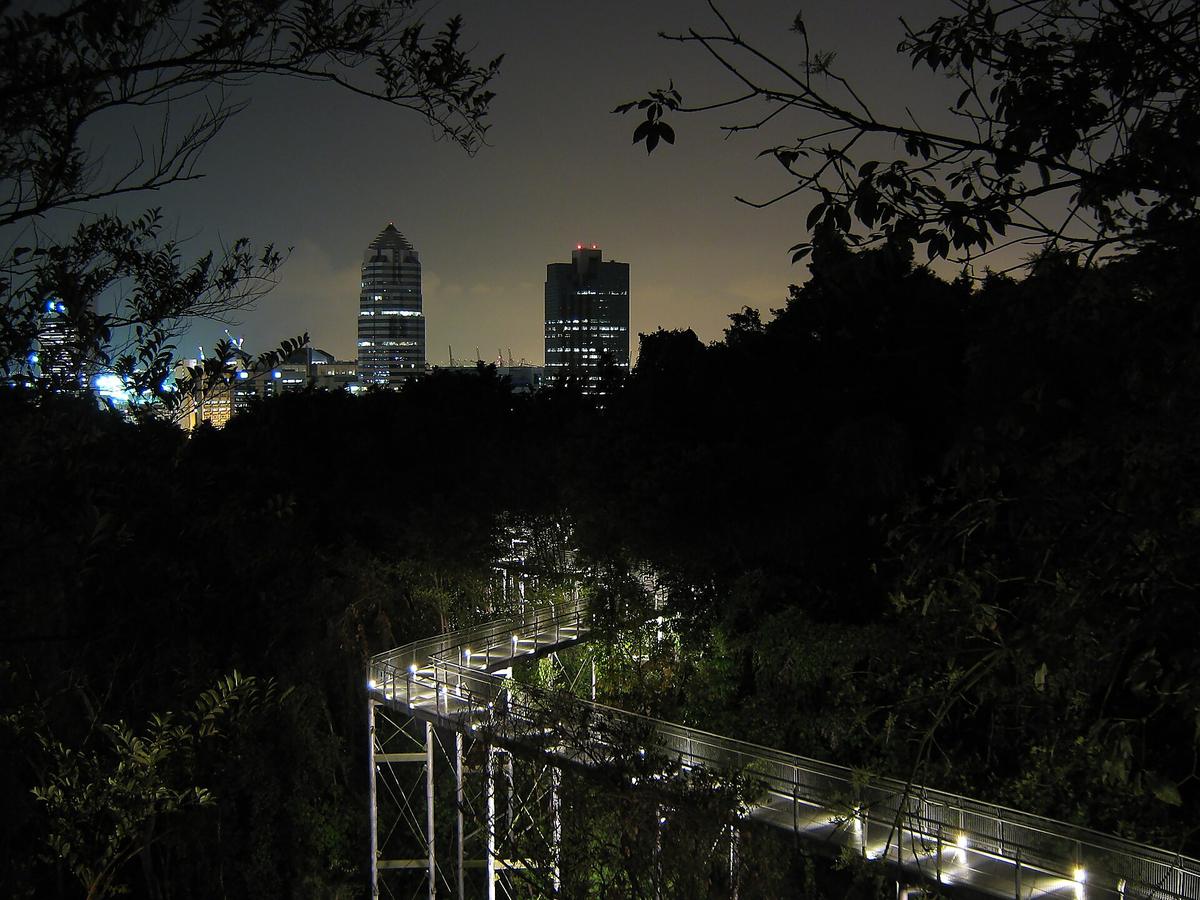
The venue-specific family is where Singapore's geography shines, and Sentosa is the anchor. Mega Adventure Park on Sentosa is the most accessible high-ropes experience for visitors who also want the beach and the cable car. Forest Adventure at Bedok Reservoir is the local's choice, set in mature trees that provide actual shade. Sentosa also hosts wakeboarding and stand-up paddleboarding, both group-friendly but requiring a higher fitness level and a tolerance for falling in. The number of outdoor adventure sites on Sentosa changes; check with the Sentosa Development Corporation for the current count. Pulau Ubin, on the other end of the spectrum, is a deliberate step back in time: unpaved roads, a handful of villages, and a ferry that leaves from Changi Point. The kayaking launch points there are designated, and the People's Association Water-Venture outlets run group outings. The trade-off is logistics. Sentosa is a 20-minute train ride from the city. Pulau Ubin is a 20-minute bumboat ride from the end of the East Coast Line. Both are worth it. Neither is a walk-up.
Facilitated Team Building and Escape Rooms
When your group cannot decide what it wants, the default answer is team building (facilitated): structured problem-solving activities with a debrief. This format distinguishes itself by the presence of a facilitator who extracts workplace metaphors from the activity. The debrief is the point, not the activity. The duration is 2-4 hours for a single activity, or half-day (3-4 hours) to full-day (6-8 hours) for multi-activity programmes. The facilitator-to-group ratio matters more than the activity. A well-run outing at 1:15 keeps energy high. An understaffed one at 1:30 means long waits and lax safety oversight. The key planning question is whether you want team building or a corporate fun day. The former has a facilitator and a debrief; the latter is just the activity with no structured reflection. Both are valid, but they serve different needs, and the marketing copy will blur the line. Ask the provider exactly what the outing includes before you pay a deposit.
The other structured option is the escape room, which is not outdoor at all but is a natural fit for this section because groups often book it as a wet-weather backup. The key fact about escape rooms is non-resettability: once a team has solved a room, they cannot replay it. The room you book is the room you get, and the provider cannot let a previous team walk through it with you. The common claim that a room holds 'up to 50' people is misleading. The room itself holds 6-10, and the larger number is the aggregate capacity across multiple rooms. The gap is caused by aggregating room capacity without stating the rotation logic. If your group is larger than 10, you will be split into teams running in parallel, which changes the competitive dynamic. Booking a single room for a group of 15 means three teams and three different experiences. Make sure the provider offers a tournament format if you want a single winner. Escape rooms are indoor, air-conditioned, and rain-proof, the opposite of the outdoor adventure formats, but a poor substitute for the adrenaline of a high ropes course.
Choosing between these formats, the single biggest mistake is counting total invitees rather than confirmed attendees. A group of 20 invitees is not a group of 20. It is maybe 14 confirmed. Minimum group sizes for organised outdoor bookings are commonly 6-10 participants, and a no-show on the day is a bill you still pay. Book for your confirmed number, then add a second tier of invites who can confirm late. For the outing itself, the physical intensity scale (low/medium/high) is the fastest filter. A group that wants conversation and views should not book bubble soccer. A group that wants to exhaust itself should not book a guided heritage walk. The duration matters less than the pacing. A well-paced 60-minute outing beats a padded 90-minute one every time. Ask the provider for the exact schedule, including breaks, and treat 'we will figure it out on the day' as a warning sign.
For solo travellers, the honest answer is that this page is not for you, and neither is the outdoor adventure category. Most group outings require pre-formed teams and bookings. The walk-in model does not work economically for providers. If you are travelling alone and want to do any of this, your best option is to join a public slot at a high ropes course or a kayaking tour where the provider fills the group. The experience will be different. You will be paired with strangers, and you will have less control over the pace, but it is a legitimate way to do it. The alternative is to post in a Singapore travel forum and try to attach yourself to an existing group, which is hit-or-miss. Do not assume you can show up at a venue and be slotted in. You will be turned away, and you will have lost a day. If you are set on doing this solo, book a guided kayaking or cycling tour, which run with smaller groups and a set itinerary.
How Costs and Safety Standards Work
A word on pricing, because the absence of prices here is deliberate but you still need to know how to budget. The cost drivers are consistent across formats: instructor-to-participant ratio (lower ratio increases per-head cost), venue or access fees (Sentosa costs more than a reservoir), and seasonality (outdoor outings see lower demand during the northeast monsoon, November, January, which can affect per-session pricing). This site does not sell or quote current rates, and you should be sceptical of any provider that publishes a single price for a group outing. The cost varies by group size, day of the week, and the specific inclusions (lunch? transport? facilitator ratio?). The safety standards are set by Singapore Standard SS 628:2022, which covers activity design, risk management, staff competency, equipment maintenance, and emergency response for outdoor adventure education. The regulatory body is the Ministry of Culture, Community and Youth via its Outdoor Adventure Education standards. Ask each provider for their SS 628:2022 certification. If they do not know what it is, that is a dealbreaker.
The operational details that will make or break your day are the ones providers do not volunteer. Confirm the lightning advisory policy. Providers should suspend activities and move you to shelter when lightning is detected within 6-8 km, per PUB guidelines, and ask what the wet-weather backup is. For outdoor combat games, providers claim play continues in light rain, but in practice, Singapore thunderstorms stop play for lightning risk, and wet surfaces increase slip injuries. The gap is between marketing copy and PUB safety guidelines. For kayaking, check the sea conditions yourself. A flat reservoir is not the open sea, and a guide who treats them the same is a liability. For high ropes, confirm the maximum weight and the minimum age before anyone books. And ask about facility closures: NParks trails close for maintenance, Sentosa venues change, and the Singapore group-activity market has high churn. A venue operating last year may not be this year. A specific room mentioned in an article may no longer exist. Verify the provider is still in business before you hand over a deposit.
The most common failure mode is booking a rain-dependent outing during the monsoon without a backup. The northeast monsoon (December, March) is the highest risk window, but the southwest monsoon (June, September) is not dry; it is just less wet. The safe move is to book a venue with an indoor option or a fixed-shelter area, and to confirm the provider's cancellation policy in writing. The second most common failure is heat exhaustion, which hits hardest during outdoor combat games because the gear traps heat. Schedule the outing for 9 a.m. or 4 p.m., demand a water break every 20-30 minutes, and stop immediately if anyone feels faint. The WBGT threshold for activity modification in Singapore schools is 33°C, above which all outdoor physical activity stops. If the provider does not know what WBGT is, they are not managing heat risk. Finally, never assume you can negotiate a lower rate by booking a large group. Providers have fixed costs, and a large group needs more facilitators, not fewer.
Advice for Specific Group Types
If you are a corporate team-building organiser, the choice comes down to what you want to surface. Combat games are pure fun. They build energy but not insight. Facilitated team building is the opposite: it can feel forced, but it surfaces leadership dynamics and communication patterns that a laser tag game never will. If you want both, book a half-day with a facilitator who runs a structured debrief after a high-ropes course. The physical challenge creates shared vulnerability, and the debrief makes it meaningful. For school and uniformed-group coordinators, the priorities are different: curriculum links, safety ratios, wet-weather plans, and providers who handle large cohorts efficiently. The instructor-to-participant ratios above are your baseline. A ratio of 1:8 for high ropes is safe. A ratio of 1:10 is not 'almost the same'. The facilitator-to-group ratio is the single strongest predictor of whether an outing stays on schedule and on message. If a provider balks at giving you the ratio, walk away.
For anyone still undecided, here is the honest comparison. The table below is a synthesis of what providers in this space advertise and what the safety standards require. The numbers are typical ranges, not guarantees.
One last note on expectations. The Singapore outdoor adventure market is small, and it is possible to have a deeply average experience if you pick a low-effort provider. Do not book a 'team building' package without asking what the facilitator actually does. If the answer is 'runs the games', you are paying for a fun day, not a team-building session. For the heritage trail, the opposite applies: sites like Fort Canning are historically dense, but the narrative is not written on the plaques. You need a guide who can connect the fall of Singapore to the broader war, or you will leave with photos of a fake cannon and no understanding of why it matters. That is not a failure of the site. It is a failure of planning.
Before you book anything, ask the provider these five questions. First, what is your facilitator-to-group ratio on the day, and can I have it in writing? Second, what is your wet-weather policy, and when is the last minute I can cancel or reschedule without penalty? Third, is there an indoor backup for this exact outing, or is it only a refund? Fourth, what is the minimum and maximum group size you will run with, and what happens if we fall below it on the day? Fifth, do you hold current certification under SS 628:2022, and can I see it? If a provider cannot answer all five without hesitation, find one who can. The market has enough good providers that you never need to settle for a bad one.
The broader point is that Singapore's outdoor adventure scene rewards the prepared and punishes the casual. The group-booking model means your success is not just the activity itself but the logistics around it: who signs the waiver, who holds the deposit, who is the point of contact when the provider calls to say the weather has turned. The safety waivers are not a formality. They are a legal document that allocates risk. Read them, and make sure your group understands what they are signing. The commercial providers are professional, but they are not your friends. They are running a business with margins, insurance, and staff to pay. Treat the relationship as a transaction. You pay for a safe, well-run outing, and you hold them to that standard.
If you are still reading and have not booked anything, here is the action plan. For a first-time group of mixed ages and fitness levels, book a half-day at a high ropes course at Mega Adventure Park on Sentosa. It is the most flexible format. The course self-selects difficulty, so the fit can push themselves while the cautious take the lower lines. Book at least two weeks ahead during school holidays and four weeks ahead for a weekend. Arrive 30 minutes early to sign waivers and get briefed. The outing starts on time, and latecomers shorten their own experience. For the rest of the day, skip the beach and head to the nearby Skyline Luge for a second activity that requires no skill. If you are on a budget, swap the ropes course for a kayaking outing at East Coast Park, but book the 9 a.m. slot and plan to be done by noon before the heat peaks. That is the entire secret: pick one activity, do it well, and stop.
This guide exists to get you to the right sub-page, but the final decision is yours. The format comparison above is a starting point, not a prescription. The best outing for your group is the one that matches its actual appetite for risk, exertion, and structured reflection. When in doubt, choose the activity with the lowest physical intensity and the highest facilitator ratio. That combination maximises safety and minimises the chance of a bad experience. A group that is tired, hot, and missing a participant who got injured is not a group that remembers the trip fondly.
One honest caveat before you go: the Singapore outdoor adventure market changes faster than this page can track it. Providers close, venues move, and equipment gets replaced. The tags in the research behind this page indicate figures that need checking, like the exact minimum age for ziplining or the precise instructor-to-participant ratio for a specific course. 1:8 to 1:12 is a common range, but it varies with terrain and group size. For the definitive figure, check with the provider directly, and for the regulatory framework, consult the Ministry of Culture, Community and Youth or the SS 628:2022 standard. What will not change is the planning logic: know your group, know the weather, and verify the provider's claims before you pay. That is the one piece of advice that will never go out of date.
More in Outdoor adventure
-
 Bringing gear vs renting
-
 Early-morning vs evening sessions
-
 Fitness levels and choosing difficulty
How to assess the fitness demands of outdoor group activities in Singapore and match them to a group with mixed physical capabilities and comfort levels.
Fitness levels and choosing difficulty
How to assess the fitness demands of outdoor group activities in Singapore and match them to a group with mixed physical capabilities and comfort levels.
-
 Heat and haze: planning for Singapore weather
How Singapore's heat, humidity, and haze affect outdoor group activities—and the planning steps that reduce the risk of heat exhaustion or cancellation.
Heat and haze: planning for Singapore weather
How Singapore's heat, humidity, and haze affect outdoor group activities—and the planning steps that reduce the risk of heat exhaustion or cancellation.
-
 Kayaking, high ropes, cycling and hiking for groups
How kayaking, high ropes, cycling, and hiking work as group activities in Singapore—session flow, fitness requirements, safety rules, and what changes with group size.
Kayaking, high ropes, cycling and hiking for groups
How kayaking, high ropes, cycling, and hiking work as group activities in Singapore—session flow, fitness requirements, safety rules, and what changes with group size.
-
 Kids and outdoor adventure: minimum ages
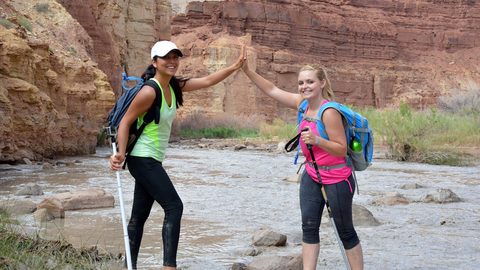
Operator-stated minimum ages for kids' outdoor activities in Singapore often mislead. Learn the real suitability age by activity, from draw strength to equipment sizing.
Kids and outdoor adventure: minimum ages
Operator-stated minimum ages for kids' outdoor activities in Singapore often mislead. Learn the real suitability age by activity, from draw strength to equipment sizing.
-
 Outdoor activities on Sentosa, Pulau Ubin and in the parks
What Sentosa, Pulau Ubin, and Singapore's parks offer for group activities—permit requirements, access constraints, and what each venue does best.
Outdoor activities on Sentosa, Pulau Ubin and in the parks
What Sentosa, Pulau Ubin, and Singapore's parks offer for group activities—permit requirements, access constraints, and what each venue does best.
-
 Permits and park rules for group games (check NParks guidance)
When organised group games in Singapore parks require an NParks permit, what the rules cover, and how to plan within the regulatory framework.
Permits and park rules for group games (check NParks guidance)
When organised group games in Singapore parks require an NParks permit, what the rules cover, and how to plan within the regulatory framework.
-
 Price drivers
-
 Safety briefings and first-aid expectations
Read next
-
Fitness levels and choosing difficulty
How to assess the fitness demands of outdoor group activities in Singapore and match them to a group with mixed physical capabilities and comfort levels.
-
Bringing gear vs renting
-
Early-morning vs evening sessions
-
Kayaking, high ropes, cycling and hiking for groups
How kayaking, high ropes, cycling, and hiking work as group activities in Singapore—session flow, fitness requirements, safety rules, and what changes with group size.
-
Kids and outdoor adventure: minimum ages
Operator-stated minimum ages for kids' outdoor activities in Singapore often mislead. Learn the real suitability age by activity, from draw strength to equipment sizing.
-
Outdoor activities on Sentosa, Pulau Ubin and in the parks
What Sentosa, Pulau Ubin, and Singapore's parks offer for group activities—permit requirements, access constraints, and what each venue does best.