Archery Tag in Singapore: Session Flow, Safety, and Group Planning
How archery tag sessions run in Singapore: the format, safety gear, age and fitness suitability, and what changes with group size, without prices or booking.
Archery Tag in Singapore: Session Flow, Safety, and Group Planning
You have read the marketing copy and seen the slow-motion arrow catches. Now you need to know how an archery tag outing in Singapore actually runs, from arrival to exit, because the brochures never explain the boring parts: where to park, how long the safety video lasts. Here is the ground truth. An archery tag outing is a 60-90 minute structured, commercially operated event. It begins with a facilitator-led safety talk, moves through equipment fitting and game rounds, and ends with a debrief. A mobile or fixed-arena provider handles the bows, the arrows, and the marshalling.
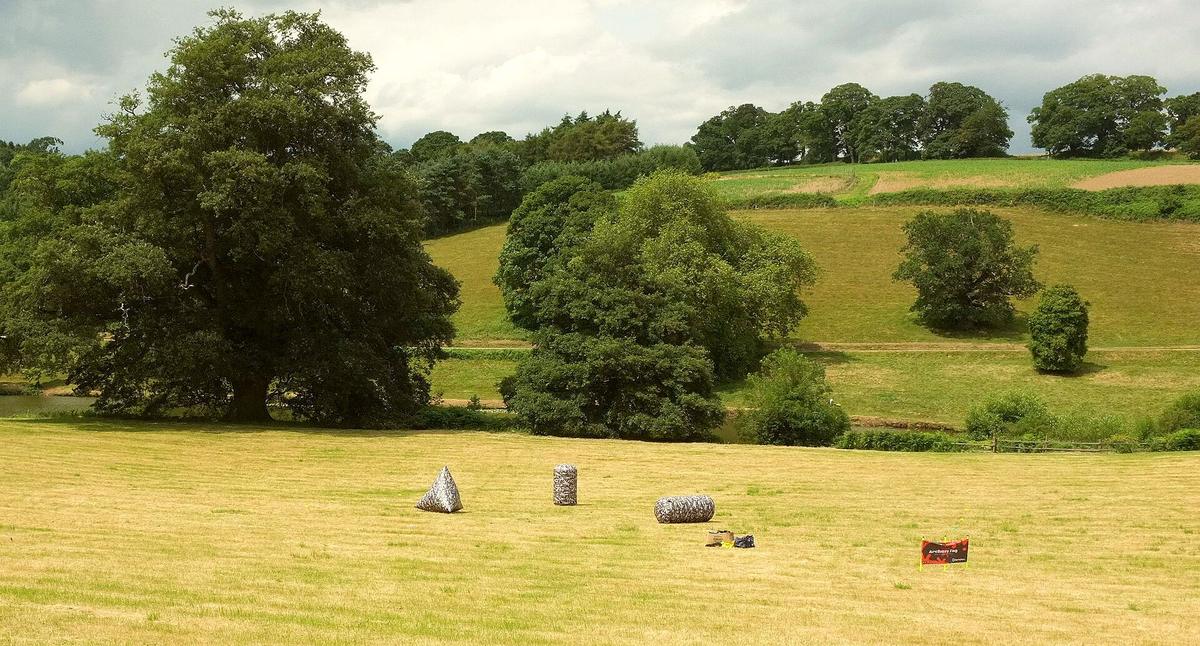

How an Archery Tag Session Actually Runs
Arrival, Waivers, And The Safety Talk
The clock on your booking does not start when the arrows fly. It starts when the facilitator begins the safety talk. That talk runs 10-15 minutes and covers the arena bunker rules, the safe zones, and the emergency stop signal. You sign a safety waiver before you touch any equipment. Then you are fitted with a full-face mask and an arm guard. These are the non-negotiable minimum for every participant.
Warm-Up Rounds And The First Shock
After suiting up, the facilitator runs a short warm-up round. You test your draw strength and learn how the foam-tipped arrows fly. This is where most newcomers realise that pulling a compound bow is harder than it looks. The sting level of a hit at close range, though low, is what separates a game of tag from a game of dodgeball. The outing then moves into elimination-format rounds, capture-the-flag variants, or point-scoring games. Each lasts 5-7 minutes with short water breaks between rounds. A 60-minute booking includes the talk and suiting-up overhead, so your active play time is closer to 45 minutes.
Archery Tag Safety Rules and What the Facilitator Enforces
The safety rules for archery tag in Singapore are not suggestions. The facilitator enforces the same non-negotiable list at every outing: no shooting at a face mask from close range, no dry-firing the bow, no stepping out of the arena bunker's boundaries, and no removing the face mask during active play. The arm guard protects the inner forearm from the bowstring's snap. The foam-tipped arrows are designed to reduce injury, but the sting is real. The facilitator will pause the game if anyone treats a point-blank hit as a personal insult.
Equipment hygiene is a factor you should ask about before booking. Shared face masks get sweat-soaked in Singapore's humidity. Most providers wipe them down between groups, but the quality of that cleaning depends on gear age and staff diligence. Check with the operator. The provider inspects all bows and arrows before each outing. You should too. A cracked arrow shaft or a loose bowstring stops the session cold.
Archery Tag Group Size: Minimums, Maximums, and Wait Times
Do not assume you can walk in with three friends and play a round. Archery tag in Singapore operates on a group-booking model. The minimum group size is 8-10 participants, with a maximum of 20-30 per outing depending on the venue's capacity. If your group is smaller than the minimum, you are either joining a public outing the provider has already scheduled, which requires even more lead time, or you are paying for the empty slots to hit the provider's floor.
The effective ceiling for a group is where the wait time between turns becomes unacceptable. With 30 players and two teams, you wait for the round to end. That is fine. With 30 players and a single elimination match, you wait for five other rounds to finish. That is boring. Ask about the facilitator-to-group ratio when you book. A ratio of 1:15 is standard. If you are bringing 25 people, you want to know whether a second facilitator is on the roster to keep the games rotating and the safety oversight tight.
Archery Tag Indoor Venue Singapore: Rain-Proofing Your Plans
Singapore's weather does not care about your birthday party. The PUB lightning advisory is a hard stop: when lightning is within 6-8 km, all outdoor activity ceases. No provider will argue with a lightning strike. If you book an outdoor-only archery tag package and it rains, get the provider's wet-weather policy before you pay. The answer determines whether you reschedule, move to a sheltered underpass, or eat the cost.
An archery tag indoor venue in Singapore solves this problem entirely. Fixed-arena providers with air-conditioned warehouses or multi-level indoor structures are a small but growing segment. They charge a premium for the climate control. The price driver is the venue itself: an indoor air-conditioned space costs more per head than an outdoor field under a shelter. It also means no heat exhaustion risk, no fogged goggles from rainforest humidity, and no chance of a cancellation on the day.
Who Should Play: Age, Fitness, and the Minimum Age Gap
The Real Minimum Age
The stated minimum age of 6 sounds inclusive. It hides a real-world draw-strength problem. A 6-year-old may hold a compound bow, but most lack the arm strength to fire a foam-tipped arrow more than a few metres. The game becomes running and missing. The responsible providers adjust the rules for younger kids, allowing them to shoot from a closer line or pairing them with an adult. Ask about those modifications when booking. Do not assume them.
Fitness And The Singapore Heat
Archery tag is a moderate-intensity activity. You run, dodge, and crouch behind bunkers. The games are short enough that a reasonably active adult will not be wrecked. The heat is the bigger factor. Outdoor outings in Singapore run at 30°C+ with 80%+ humidity. The insulating effect of the face mask and arm guard compounds the exertion. Book the morning slot or the late-afternoon slot to avoid the midday peak. Confirm the provider gives water breaks between games.
Archery Tag vs Combat Archery: Same Game, Different Labels
If you see two different listings and wonder whether archery tag and combat archery are different sports, they are not. They are the same activity under different brand names. Combat Archery is a specific trademarked format. Archery Tag is the generic category. What changes between providers is not the equipment but the ruleset: some run pure elimination, some add capture-the-flag objectives, and some let you choose your game format based on the group's mood.
This matters when you are comparing quotes. A cheaper provider is probably offering fewer facilitators, older arrows, or a shorter active play time. That is not a better deal. You are comparing apples to apples on the activity and apples to oranges on the service. Ask each provider directly what their 60-minute booking includes: talk time, number of rounds, and whether the debrief is a proper structured discussion or a quick 'good game' and a shoo-out.
What Actually Drives the Cost of an Archery Tag Session
No guide can quote you a price.
The rates are not fixed. Understand the three levers that determine what you pay. The first is venue type: an air-conditioned fixed arena costs more than an outdoor field. A mobile provider bringing the game to your function room adds travel costs but may be cheaper than the venue rental. The second is group size: per-person rates drop as the group grows. Facilitator and equipment costs are spread across more players.
The third lever is duration. A 90-minute package costs more than a 60-minute one. The premium buys you extra rounds, not extra talk time. The most important question you can ask is not 'how much per head' but 'how many minutes of actual play time do we get after the talk and suiting-up?' The answer tells you more about the value than the price point ever will.
What to Book, How Far Ahead, and What to Bring
Booking Lead Times
Book at least 7-14 days ahead for a weekend slot at any fixed-arena provider. Book longer if you are planning a corporate event or a school cohort. Those providers hold preferred dates and release them on a schedule. For a weekday walk-in, you will be disappointed. The group-booking model means there is no walk-in counter. When you book, confirm the exact location. Singapore has a known failure mode where visitors arrive at the wrong entrance, one of which is an active prison with no public access.
What To Wear And Bring
Arrive 15 minutes early to sign the safety waiver, use the toilet, and get fitted without rushing. Wear sports clothing that covers your elbows and closed-toe shoes. Bring a change of shirt. The humidity will soak through. Leave the jewellery and glasses at home unless they are prescription. If you do wear glasses, ask the provider whether their face mask fits over them.
Frequently Asked Questions
What is the minimum age for archery tag in Singapore? Providers state 6, but the real-world draw-strength issue means most 6-year-olds cannot shoot effectively. The responsible standard is 10. Some providers allow ages 7-8 with modified rules. Ask when booking if the youngest participants can reach the target zone.
How long is an archery tag outing? Booked outings are 60-90 minutes. The safety talk and equipment fitting eat 15-20 minutes. Active play time is 45 minutes for a 60-minute booking. The clock starts at the talk, not at the first arrow.
Does archery tag hurt? The foam-tipped arrows have a low sting at range and a moderate sting at point-blank. It is not like paintball, but a close-range hit on bare skin is a sharp pinch. All players wear a full-face mask and arm guard.
Is archery tag indoor or outdoor? Both exist in Singapore. Outdoor arenas are exposed to weather. Outings pause on PUB lightning advisory. Indoor fixed arenas are air-conditioned and rain-proof but cost more per head. Book the indoor option if your date is inflexible.
Meta
Ask the provider how many minutes of actual play time you get after the talk and suiting-up. A 60-minute booking at one provider delivered 45 minutes of play while the same price at another delivered 25 minutes, and the difference was the facilitator's pace, not the venue.
More in Archery tag
-
 Archery tag in wet weather: rain policies to ask about
How Singapore's PUB lightning advisory and monsoon seasons affect archery tag bookings, and the rain-policy questions to ask any operator before you commit.
Archery tag in wet weather: rain policies to ask about
How Singapore's PUB lightning advisory and monsoon seasons affect archery tag bookings, and the rain-policy questions to ask any operator before you commit.
-
 Archery tag vs laser tag vs nerf: which suits your group
Compare archery tag, laser tag, and Nerf wars in Singapore by hit feedback, sting level, scoring, and arena environment to choose the right combat game.
Archery tag vs laser tag vs nerf: which suits your group
Compare archery tag, laser tag, and Nerf wars in Singapore by hit feedback, sting level, scoring, and arena environment to choose the right combat game.
-
 Game modes explained (elimination, capture the flag, medic, VIP)
How elimination, capture the flag, medic, and VIP archery tag modes work in Singapore sessions, and what changes for groups of 10, 30, or more.
Game modes explained (elimination, capture the flag, medic, VIP)
How elimination, capture the flag, medic, and VIP archery tag modes work in Singapore sessions, and what changes for groups of 10, 30, or more.
-
 Indoor or outdoor archery tag venues: what changes
How indoor fixed-arena and outdoor mobile archery tag setups in Singapore differ in weather reliability, terrain, climate control, and what the PUB lightning advisory means for outdoor play.
Indoor or outdoor archery tag venues: what changes
How indoor fixed-arena and outdoor mobile archery tag setups in Singapore differ in weather reliability, terrain, climate control, and what the PUB lightning advisory means for outdoor play.
-
 Is archery tag safe? Gear, rules and common injuries
Archery tag safety in Singapore: the protective gear, the rules that reduce injury, the common risks operators report, and how heat and lightning affect outdoor play.
Is archery tag safe? Gear, rules and common injuries
Archery tag safety in Singapore: the protective gear, the rules that reduce injury, the common risks operators report, and how heat and lightning affect outdoor play.
-
 Minimum age and height for archery tag
The real minimum age and height for archery tag in Singapore: why the stated age 6 can mislead, and how draw strength, arm span, and insurance shape the true requirement.
Minimum age and height for archery tag
The real minimum age and height for archery tag in Singapore: why the stated age 6 can mislead, and how draw strength, arm span, and insurance shape the true requirement.
-
 Planning archery tag for 10, 30 and 100+ people
How archery tag sessions in Singapore scale for 10, 30, or 100+ people: rotation formats, wait times, facilitator ratios, and what changes for corporate events and parties.
Planning archery tag for 10, 30 and 100+ people
How archery tag sessions in Singapore scale for 10, 30, or 100+ people: rotation formats, wait times, facilitator ratios, and what changes for corporate events and parties.
-
 Questions to ask a provider before booking
A checklist of questions to ask an archery tag provider in Singapore about safety, logistics, group size, wet-weather policy, and what the quoted price covers.
Questions to ask a provider before booking
A checklist of questions to ask an archery tag provider in Singapore about safety, logistics, group size, wet-weather policy, and what the quoted price covers.
-
 What affects archery tag pricing
The factors that drive archery tag pricing in Singapore—headcount, session length, facilitator ratio, peak timing, and venue model—explained without prices.
What affects archery tag pricing
The factors that drive archery tag pricing in Singapore—headcount, session length, facilitator ratio, peak timing, and venue model—explained without prices.
-
 What archery tag is and how a typical session runs
The full arc of an archery tag session in Singapore: safety briefing, gear-up, game formats, and what the claimed session duration means for active play time.
What archery tag is and how a typical session runs
The full arc of an archery tag session in Singapore: safety briefing, gear-up, game formats, and what the claimed session duration means for active play time.
-
 What to wear and bring
Clothing, footwear, and gear recommendations for archery tag in Singapore's heat and humidity, including what operators provide and what you bring yourself.
What to wear and bring
Clothing, footwear, and gear recommendations for archery tag in Singapore's heat and humidity, including what operators provide and what you bring yourself.
Read next
-
What archery tag is and how a typical session runs
The full arc of an archery tag session in Singapore: safety briefing, gear-up, game formats, and what the claimed session duration means for active play time.
-
Archery tag vs laser tag vs nerf: which suits your group
Compare archery tag, laser tag, and Nerf wars in Singapore by hit feedback, sting level, scoring, and arena environment to choose the right combat game.
-
Questions to ask a provider before booking
A checklist of questions to ask an archery tag provider in Singapore about safety, logistics, group size, wet-weather policy, and what the quoted price covers.
-
Archery tag in wet weather: rain policies to ask about
How Singapore's PUB lightning advisory and monsoon seasons affect archery tag bookings, and the rain-policy questions to ask any operator before you commit.
-
What affects archery tag pricing
The factors that drive archery tag pricing in Singapore—headcount, session length, facilitator ratio, peak timing, and venue model—explained without prices.
-
Game modes explained (elimination, capture the flag, medic, VIP)
How elimination, capture the flag, medic, and VIP archery tag modes work in Singapore sessions, and what changes for groups of 10, 30, or more.